Surf Photography in the Canary Islands: A Complete Guide
Published 16 May 2026
For surf photographers based in Europe, the Canary Islands are the closest thing to a tropical year-round surf destination. Consistent Atlantic swells, trade wind offshore conditions, volcanic reef breaks, and a warm climate make this archipelago one of the best places to shoot surf in the world.
Why the Canaries work for surf photography
Year-round swell: Unlike mainland Europe where summer is often flat, the Canary Islands receive Atlantic and North African swell almost year-round. September–April is peak season; summer is quieter but rarely completely flat.
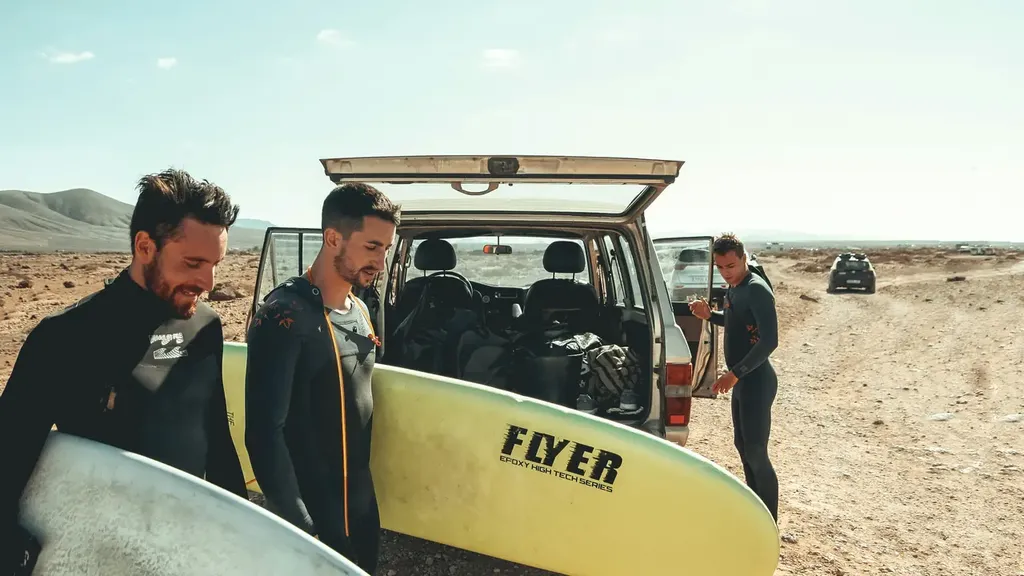
Trade winds: The northeast trade winds create offshore conditions at many east and southeast-facing breaks, particularly in Fuerteventura and Lanzarote. Offshore winds hold up wave faces and create the spray that makes surf photos dramatic.
Volcanic reef breaks: The basalt reef breaks here produce incredibly consistent, predictable waves. As a photographer, knowing exactly where the wave will break is enormously helpful.
Light quality: The Canaries sit at 28° latitude — further south than mainland Spain. The light is more tropical in quality, particularly in winter when the sun stays lower and the golden hours last longer.
Island by island
Fuerteventura
The closest island to the African coast and arguably the best surf destination in the archipelago. The island's flat topography means strong, consistent trade winds — and excellent offshore conditions at the north and northwest-facing breaks.
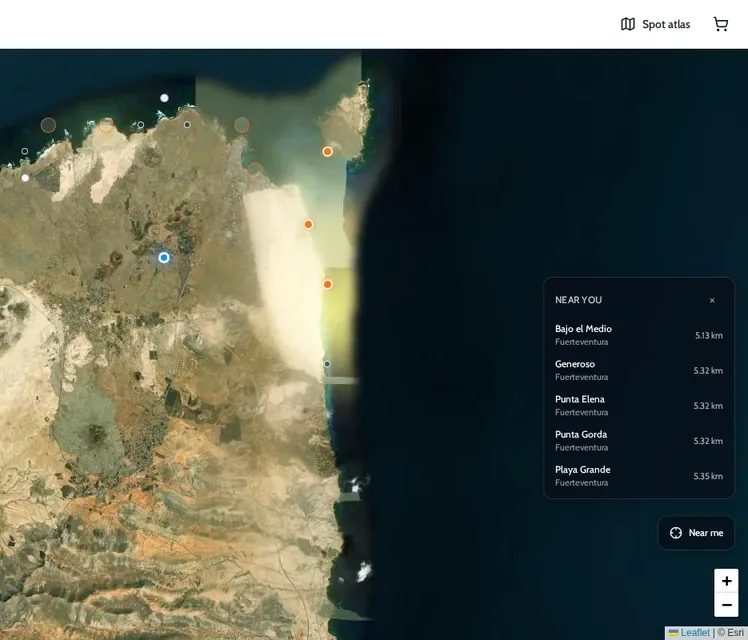
El Cotillo (La Bocaina): A powerful reef break in the north. The flat rocky platform around the break gives excellent positions for photography, often at wave level with a clear view of the lineup.
Punta de Hierro: One of Europe's most consistent right-hand reef breaks. Long rides, clear water, good access from the road. Best on north swells.
Majanicho: A series of reef peaks along the north coast. Less consistent than Punta de Hierro but worth exploring.
For photography specifically, Fuerteventura's flat coastline means clean, uncluttered backgrounds — mostly sky, ocean, and volcanic rock.
Lanzarote
La Santa / El Quemao: A world-class left-hand reef break that produces tubes comparable to anywhere in Europe. Getting close enough to photograph it from the shore requires positioning on the volcanic rocks — do this carefully.
Famara Beach: A long beach break under the dramatic cliffs of the Risco de Famara. The cliff backdrop creates extraordinary wide-angle composition possibilities you simply don't get on a flat coastline.
El Harbour: A more accessible wave near Puerto del Carmen. Good for photographing intermediate surfers.
Gran Canaria
El Confital: A powerful right-hand reef break visible from Las Palmas. Good wave quality on north swells, easy access.
Maspalomas / Playa del Inglés: South-facing beach breaks that work on south/southwest swells. Consistent, good for higher volumes of surfers.
Tenerife
Less well-known for surf than Fuerteventura or Lanzarote, but:
La Izquierda (El Médano): A fast left-hander on south swells. The offshore winds that make Médano a world-class windsurfing and kiteboarding destination also create interesting conditions for these disciplines photographically.
El Pris: A reef break on the north coast. Works in the season (October–April).
Practical photography notes
Camera protection: The Canaries are windy. Sand and spray are constant companions. A good camera bag and a habit of keeping your gear covered between shots extend the life of your equipment significantly.
UV filter: At these latitudes in strong sun, a UV filter on your lens reduces haze in the water and protects the front element.
When to shoot: The same principle as everywhere — golden hour. In the Canaries in winter, golden hour can last well into the morning and start early in the afternoon. Long shooting windows.
Local knowledge: Each island has surf schools and shops with real-time swell and wind knowledge. Fifteen minutes talking to locals will tell you more than any app.
Finding photos from your Canary Islands session
Surf photographers operate year-round across the archipelago. If you surfed recently at any of the main breaks, search on Onda by location and date to find albums from your session.
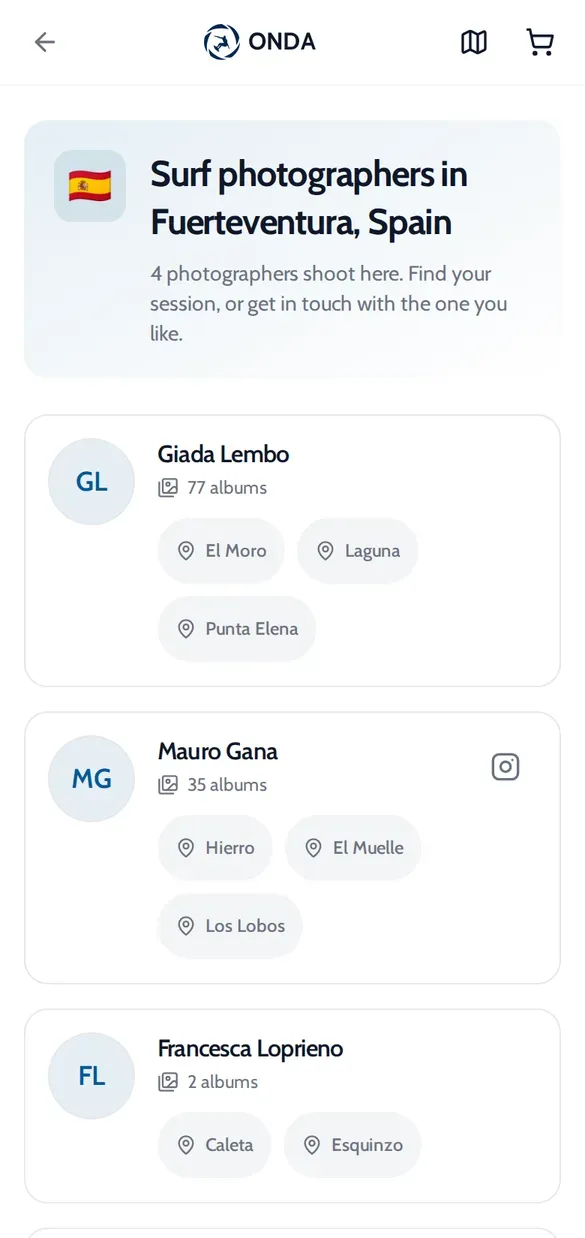
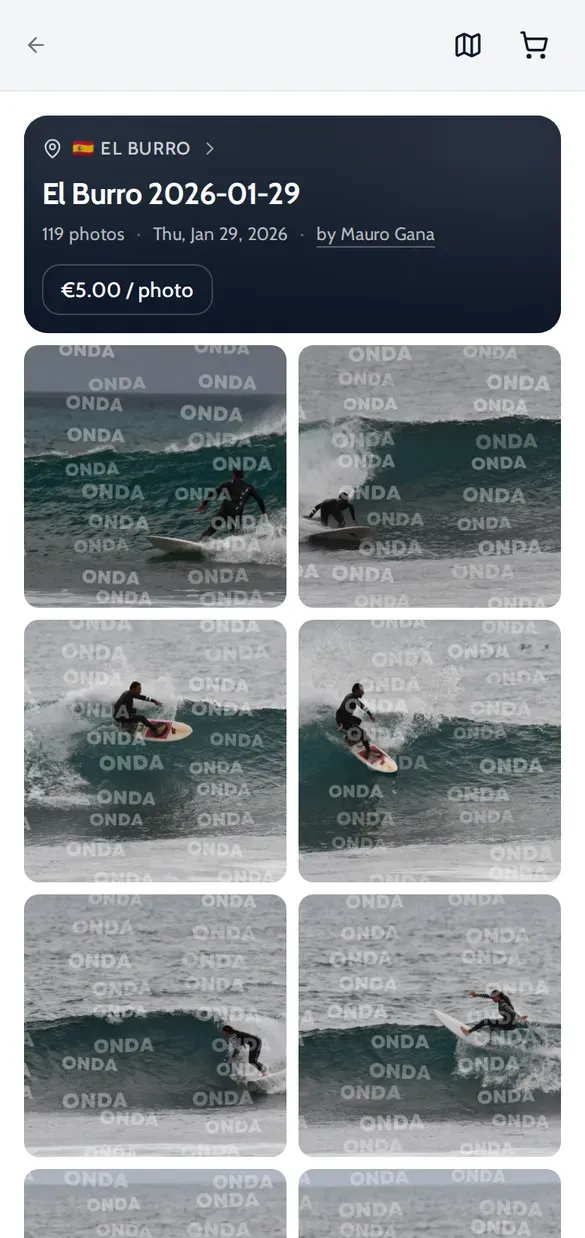
The Canaries are also one of Europe's best kitesurfing photography destinations, especially Fuerteventura and Lanzarote. For help finding your session, see how to find photos of yourself surfing.