Surf Photography in Bali: A Complete Guide
Published 19 May 2026
Bali is on almost every surf photographer's bucket list. The combination of consistent Indian Ocean swells, warm clear water, volcanic backdrops, and world-class reef breaks creates conditions that are genuinely hard to replicate anywhere else. Add the quality of light at 8° south latitude and it becomes clear why some of the most iconic surf images in history were shot here.
Why Bali for surf photography
The light: Bali's tropical latitude means the sun rises and sets fast, but during golden hour the quality is extraordinary — warm, directional, and often combined with dramatic clouds from the mountains behind the coast.
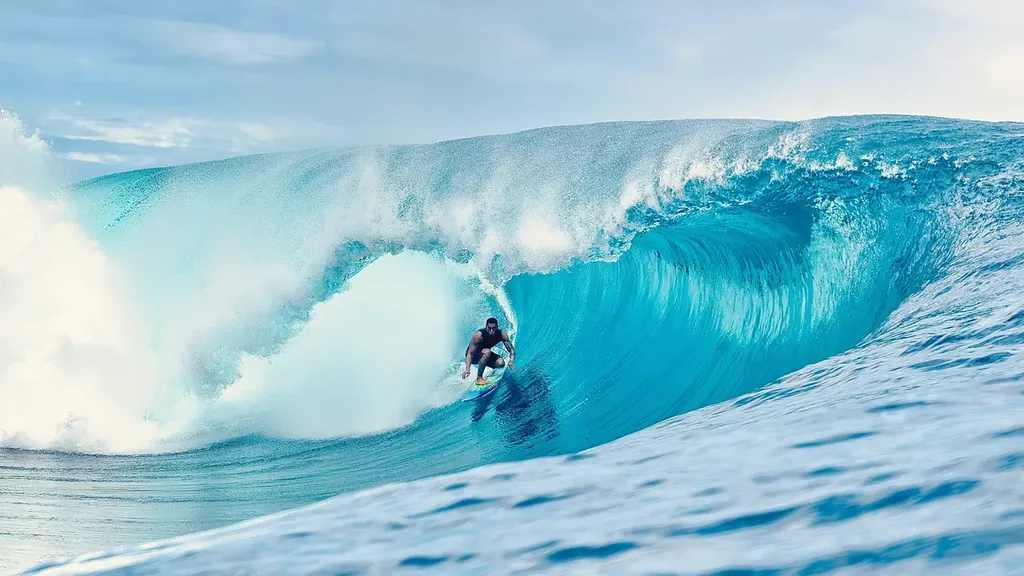
The wave faces: South-facing reef breaks mean the wave faces are lit from the front during morning sessions. At Uluwatu, the main peaks face southeast — perfect morning light from the rocks.
The colour: The Indian Ocean water around Bali has a clarity and turquoise-blue colour that makes it immediately identifiable in photos. The combination of white foam, blue water, and often dramatic sky is visually rich in a way that grey Atlantic breaks simply aren't.
Year-round surf: The dry season (April–October) brings the best swell and the best conditions. The wet season still has waves and often dramatic skies.
The main surf photography locations
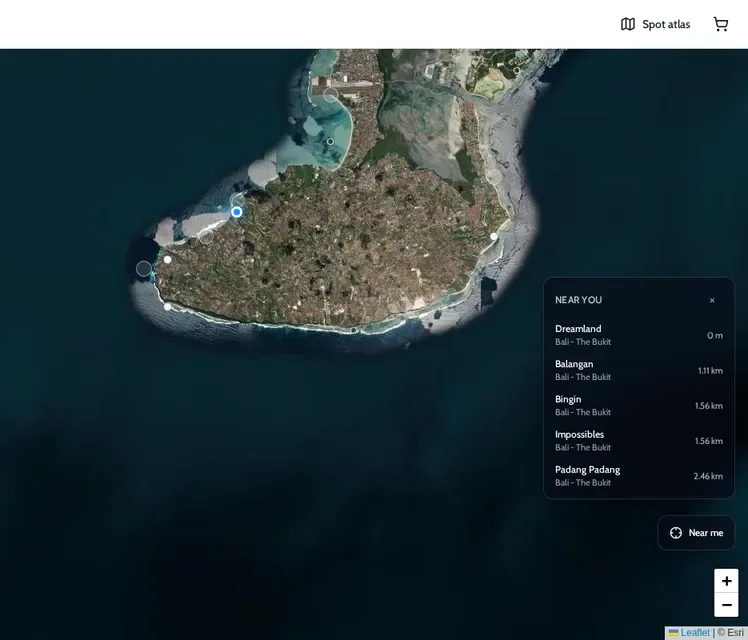
Uluwatu
The most famous wave in Bali. A long left-hander peeling off a dramatic limestone cliff, accessed through a cave.
- Photography positions: The cave/main cave viewpoint gives shots of the lineup from above. The Uluwatu temple cliff on the right gives elevated angles over the break. Getting closer requires descending to the water level — harder access but more dramatic angles.
- Best conditions: SW swell, 4–8ft, dry season (May–September)
- Best light: Morning to midday — the wave faces are lit from the north/northeast
Padang Padang
A short but extremely powerful barrel — nicknamed "the Toilet Bowl" for how it drains off the reef. One of the most photographed barrelling waves in Asia.
- Photography position: The main view from the beach/access stairs gives a direct look into the barrel. In bigger conditions the crowd thins quickly (it's only for committed surfers).
- Best conditions: SW swell, 6ft+ — works on bigger swells than Uluwatu
- Access: Easy — car park near the beach, short walk down
Keramas
An east-coast reef break — one of few in Bali that faces east, which means:
- Morning offshore winds (the regular trade winds blow from the east — perfect offshore here)
- Morning light on the wave face
- Less crowded than the Bukit Peninsula breaks
Keramas hosts the Komune Bali Pro (WSL Championship Tour event). Strong, hollow right-hander on SE and E swells.
Canggu (Echo Beach / Batu Bolong)
More accessible and less heavy than the Bukit breaks. Good for photographing beginner-to-intermediate surfers, and a more relaxed atmosphere.
- Popular with surf photography businesses catering to surf school clients
- Easy beach access, wide shooting positions
Medewi
A long, mellow left-hand point break on Bali's west coast.
- Long walls give you extended sequences of the same surfer
- Less photogenic in terms of power than the Bukit, but the longer ride creates more photographic moments per wave
Practical notes for photography in Bali
Humidity and salt: The tropical humidity and salt air are harder on gear than cooler European conditions. Carry silica gel in your camera bag, keep equipment in sealed bags when not shooting, and rinse lens caps and housing after every session near the water.
Monkeys at Uluwatu: The temple area has macaque monkeys that are attracted to shiny objects. Lens caps, filters, and small accessories have been stolen. Keep your bag closed and stay aware.
Sunrise timing: At Bali's latitude (8°S), sunrise is around 6am year-round. Golden hour is brief — 6–7:30am is the window. Worth it, but set the alarm.
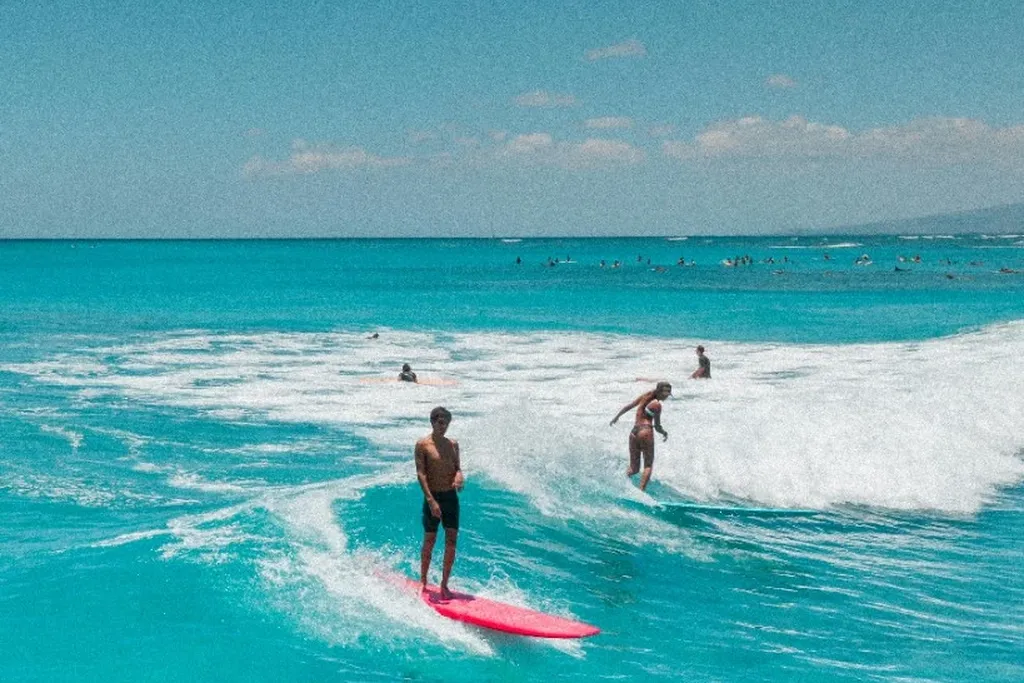
Crowd at peak breaks: During the dry season at Uluwatu and Padang Padang, the lineups are crowded. For photography, this means more potential subjects but also more competition for the cleaner angles.
Finding your surf photos from Bali
Surf photography is a thriving business in Bali — particularly at Keramas (where it's essentially institutionalised), Uluwatu, and Canggu. If you surfed any of these breaks, there's a good chance you were photographed.
Search on Onda by location and your session date to find albums from your visit.
For another Asian surf photography destination with lower crowds and costs, see our Sri Lanka guide. And for help finding your session photos, see how to find photos of yourself surfing.