How to Build a Surf Photography Portfolio That Gets You Hired
Published 25 June 2026
A strong portfolio is the difference between being a photographer who sells beach photos online and one who gets hired for brand campaigns, editorial features, and competition coverage. This guide covers how to build one that works.
What a surf photography portfolio needs to do
Before thinking about what to put in it, be clear on what the portfolio is for.
A portfolio for selling photos to surfers (your Onda gallery, your Instagram) is about volume and variety — showing that you cover a lot of breaks, shoot a lot of conditions, and produce consistently good work.
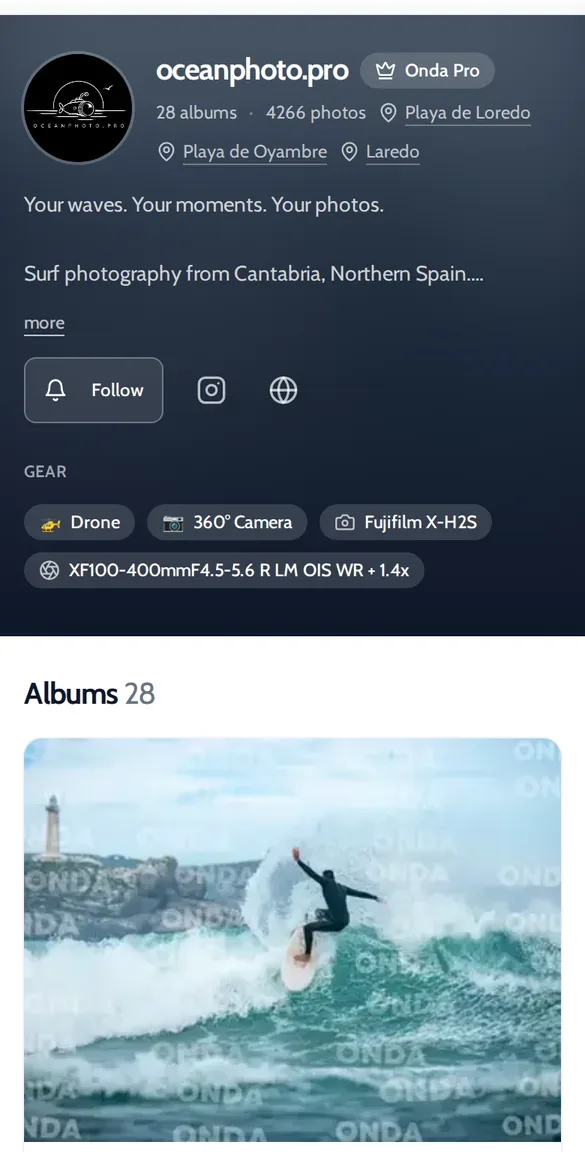
A portfolio for getting hired (brands, magazines, editorial) is about editorial curation — showing your best 15–20 images, demonstrating a visual point of view, and proving you can deliver what a specific client needs.
These are different things and need different approaches. Most photographers starting out confuse them.
The editorial portfolio: what to include
Volume: 15–25 images maximum
Less is more. A portfolio of 15 extraordinary images beats one of 50 good-to-great ones. Every image should be something you're genuinely proud of — not filler that shows you've covered a particular type of shot.
Curate aggressively. If you're hesitating about whether to include something, it probably shouldn't be there.
Variety: cover the range of your capability
A strong surf photography portfolio typically shows:
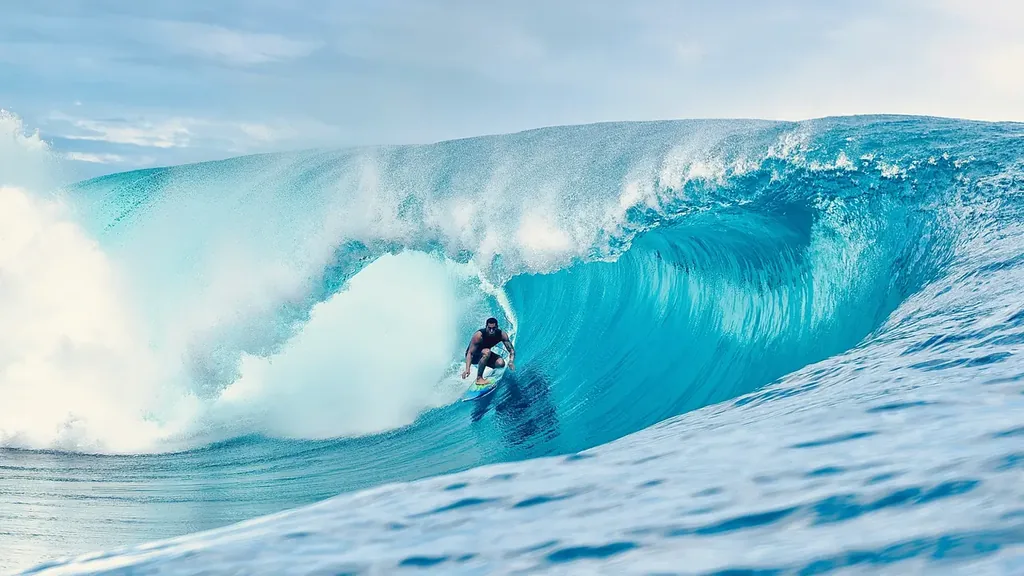
- Action shots: Aerial, turn, barrel — at least one spectacular action image
- Environmental/wide shots: The surfer in context — big wave, dramatic scenery, sense of place
- Portrait or lifestyle: A surfer's face, a quiet moment, something that shows you can shoot beyond pure action
- Different conditions: Sun, flat light, possibly night or unusual conditions — shows versatility
- Different locations: If you've shot internationally, show it
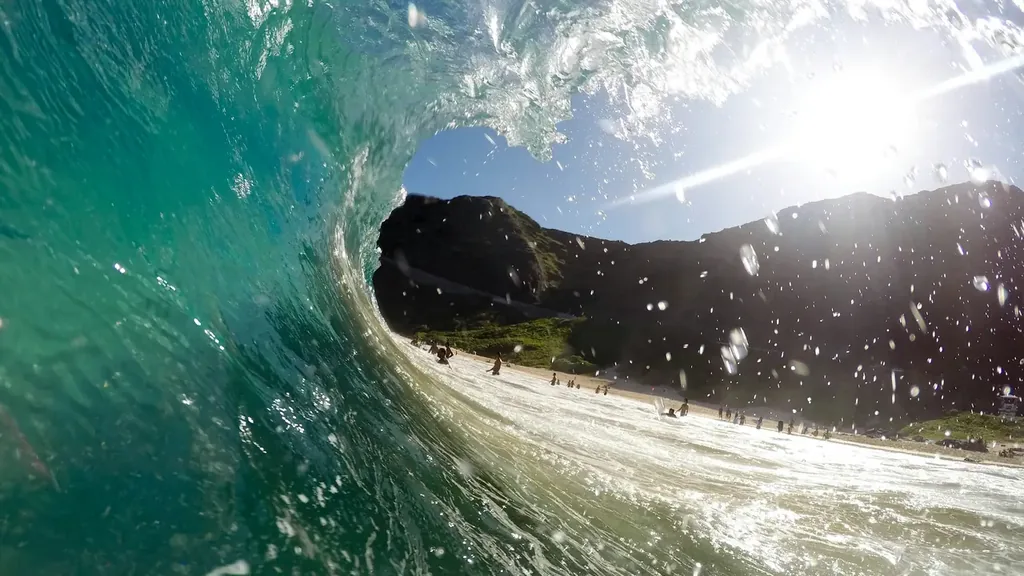
You don't need all of these. A portfolio built around one very specific approach (all in-water barrel shots, all atmospheric environmental work) can be more powerful than a broad generalist portfolio, if the individual images are exceptional.
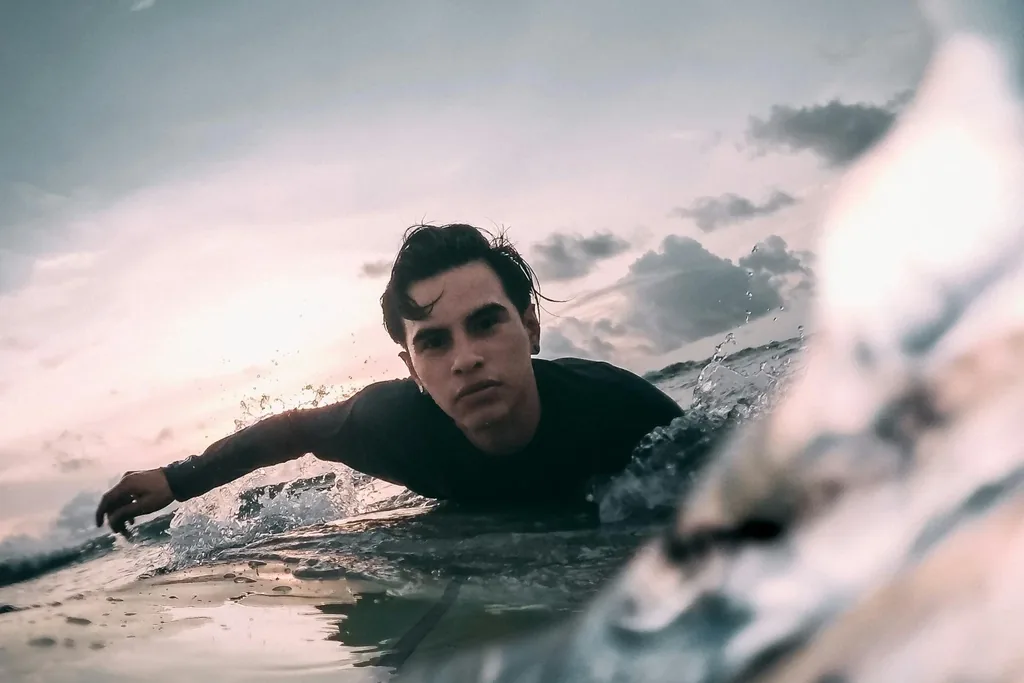
Consistency: one clear visual identity
This is what separates photographers-for-hire from cameras-for-hire. Your portfolio should feel cohesive — the colour grading, the compositional sensibility, the mood should be recognisably yours across different subjects and conditions.
If your portfolio looks like it was shot by five different photographers, it's not ready.
Building toward the portfolio you want
Most photographers don't have the portfolio they want. They have the portfolio they've accumulated. Building deliberately toward specific images is a different approach.
Identify the gaps: What type of image is missing from your current work? If you have no in-water shots, no barrel images, no big wave work — those are targets to plan for.
Plan sessions with intention: Instead of showing up at the beach and shooting whatever's there, arrive with a specific shot in mind. What's the image you want to make today?
Study the work you admire: The photographers who get the work you want — what are their strongest images? What compositional approaches, lighting choices, and moments do they consistently capture?
Where to host your portfolio
Your own website
The professional standard. Options include:
- Format.com: Popular with photographers, clean templates, reasonable pricing
- Squarespace: More design flexibility, slightly more work to set up
- Cargo: More editorial, used by photographers with a fine art approach
- WordPress with a photography theme: Maximum flexibility, more maintenance
Whatever you use: custom domain (yourname.com), not a subdomain (yourname.squarespace.com). This is non-negotiable for professional presentation.
A portfolio in itself at this point. Many art directors and brand managers look at Instagram before (or instead of) a website. Treat your feed as a curated portfolio, not a raw feed.
Behance / 500px
Less important than they were. Still useful for searchability, but not a substitute for a dedicated website.
The "about" section matters more than you think
Who you are, where you're based, what you shoot — told as a brief, genuine story — matters to potential clients. Generic "I'm passionate about capturing the ocean" language reads as interchangeable. A specific, direct description of your approach and experience is more memorable.
Include:
- Where you're based and what regions/spots you cover regularly
- Your approach or speciality (wave sailing, barrel photography, environmental work)
- Any notable publications, brands, or events you've worked with
- Contact details that are actually easy to find
Getting your first paid work
The jump from selling photos online to getting hired for brand or editorial work typically goes through a few stages:
Tag brands in Instagram posts. When you shoot photos involving a brand's product (wetsuit, surfboard, fins), tag the brand. Many surf brands run user-generated content programmes; if your work is good, it gets noticed.
Reach out directly with a specific pitch. "I'll be shooting at [event] in [month] and would be interested in covering it for [brand]" is a better approach than a generic portfolio submission. Have a specific opportunity in mind.
Start with editorial, not brand. Surf magazines (digital and print) are often more accessible than brands and provide legitimate published credits. The fee is usually low (sometimes free), but the clips matter.
Be at events. The photographers who get hired consistently are the ones who are present at the competitions, the brand events, the surf trips. Availability and reliability matter as much as portfolio quality.
Protecting your work while building visibility
As your portfolio grows and you publish more work online, protecting it becomes more important.
On Onda, every uploaded photo gets dynamic, AI-resistant watermarks automatically — randomised position, scale, rotation and warp on each image. This means a scraped preview stays visibly watermarked even if someone tries to clean it up before reuse.
Watermarking preview images (standard practice on Onda) protects commercial value while maintaining visibility. The original files are only released on purchase.
For the business side of selling your work, see our guide to selling surf photos online and the platform comparison. For inspiration on developing a style, see the top surf photographers working today.